How Brie Is Made: Bassine Queen's 2-Week Production Method
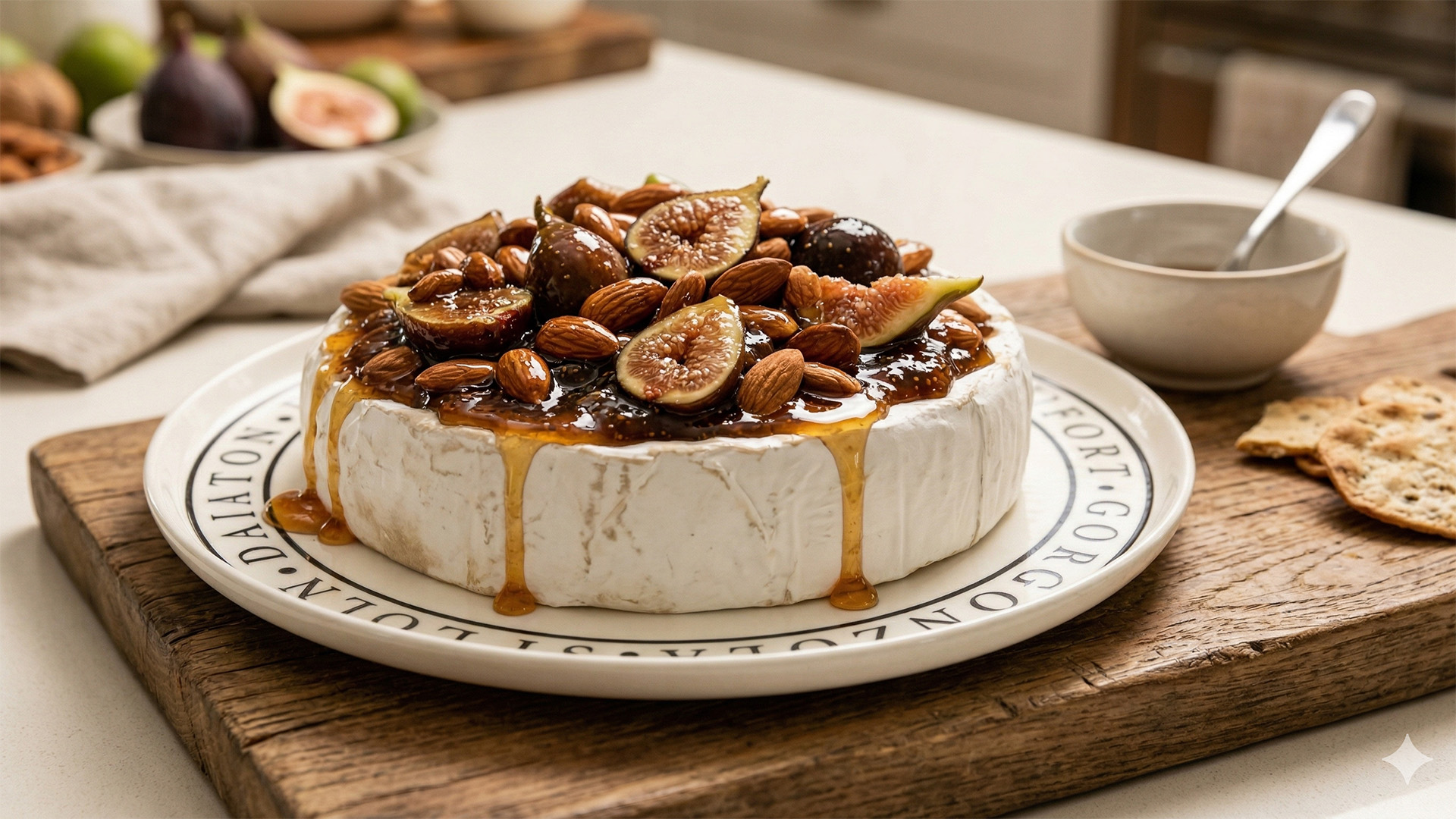
There’s a wheel of Bassine Queen in the ripening room Tone hasn’t touched since Tuesday — deliberately left alone because this is how we turn yesterday’s milk into ripe brie: the herd’s seasonal milk, the starter cultures and Penicillium candidum, gentle ladling not cutting, hand‑salting and two weeks of careful turning that make the flavour and texture.
That’s the thing most people don’t understand about a good brie. The cheesemaker’s job is to start something and then get out of the way.
It starts with the milk
Every Bassine Queen begins the same morning it’s made: with milk from our Holstein Friesian herd, fresh from the previous day’s milking. We don’t buy milk in. We don’t standardise it — adjust the fat, adjust the protein, strip it back to a reliable average. What comes from the herd is what goes into the vat.
That matters more than it sounds. Our milk runs richer through winter, when the pasture is slower, and the cows are working harder to maintain condition. Come spring, when the Bass River flats green up fast and the girls are nose-deep in fresh growth, the milk changes character — brighter, more complex, with a different protein structure that sets the curd quicker. Tone adjusts for it. He’s been watching milk behave for a long time.
Non-homogenised milk — like ours — holds onto more of its natural structure. The fat globules are intact, and the cream rises to the top. It’s messier to work with. It also makes better cheese.
Warming the vat
Brie needs a gentle start. Tone brings the milk up to around 32°C — warm, not hot, about the temperature of a calm summer evening. Then the cultures go in.
Not rennet yet. The starter cultures first: lactic bacteria that will slowly acidify the milk over the next hour or two, building the right conditions for the curd to form. Along with them, a small inoculation of Penicillium candidum — the white mould that will, in two weeks’ time, bloom across the surface of the cheese like snow settling on a paddock. At this stage, it’s invisible. It’s waiting.
Then the rennet. Within two to three hours, the milk has set to a soft gel — not rubbery, not liquid, something in between. Tone tests it by pressing a finger gently against the surface. It should part cleanly. If it does, it’s time to cut.
The ladle, not the knife
This is where Brie parts ways with most other cheeses.
For the Bassine Gold or the Aged Cheddar, Tone cuts the curd into small pieces and stirs it, actively driving moisture out and building structure. A brie curd is different. It’s fragile. Cut it too aggressively or work it too hard, and you’ll lose the moisture the cheese needs to ripen properly.
So instead of a knife and a lot of stirring, he uses a ladle. Thin, careful scoops of the soft curd were lifted into the moulds, layer by layer. It’s unhurried. It takes patience. The curd settles slowly, whey draining through the base of the mould over the course of a day, the weight of itself doing the pressing.
By the time the wheels come out of the moulds the next morning, they’re still soft enough to leave a fingerprint. That’s exactly right.
Salt and the drying room
The wheels get salted — dry salt, rubbed by hand across the surface. Salt slows the wrong things down and encourages the right ones. It firms the paste slightly, draws the last of the surface moisture, and starts building the conditions the white mould needs to take hold.
Then the wheels go into the drying room: around 13-16°C, good airflow, turned every day so both sides can breathe. This is where Tone earns his keep. Too much moisture leaves too fast, and the mould won’t develop evenly. Too little airflow, and grey filament moulds — the unwelcome kind — start muscling in. Every day, he’s checking, turning, reading the surface.
After about a week, the first white fuzz appears. The Penicillium candidum inoculated at the start is waking up.
What the rind actually does
The white bloomy rind on a brie isn’t decorative. It’s alive, and it’s running the show.
As the mould grows across the surface, it produces enzymes that work inward through the paste. They break down fats and proteins, softening the cheese from the outside toward the centre. That’s why a ripe brie runs from the edges first — the rind is ripening it from the outside in, slowly, over two weeks.
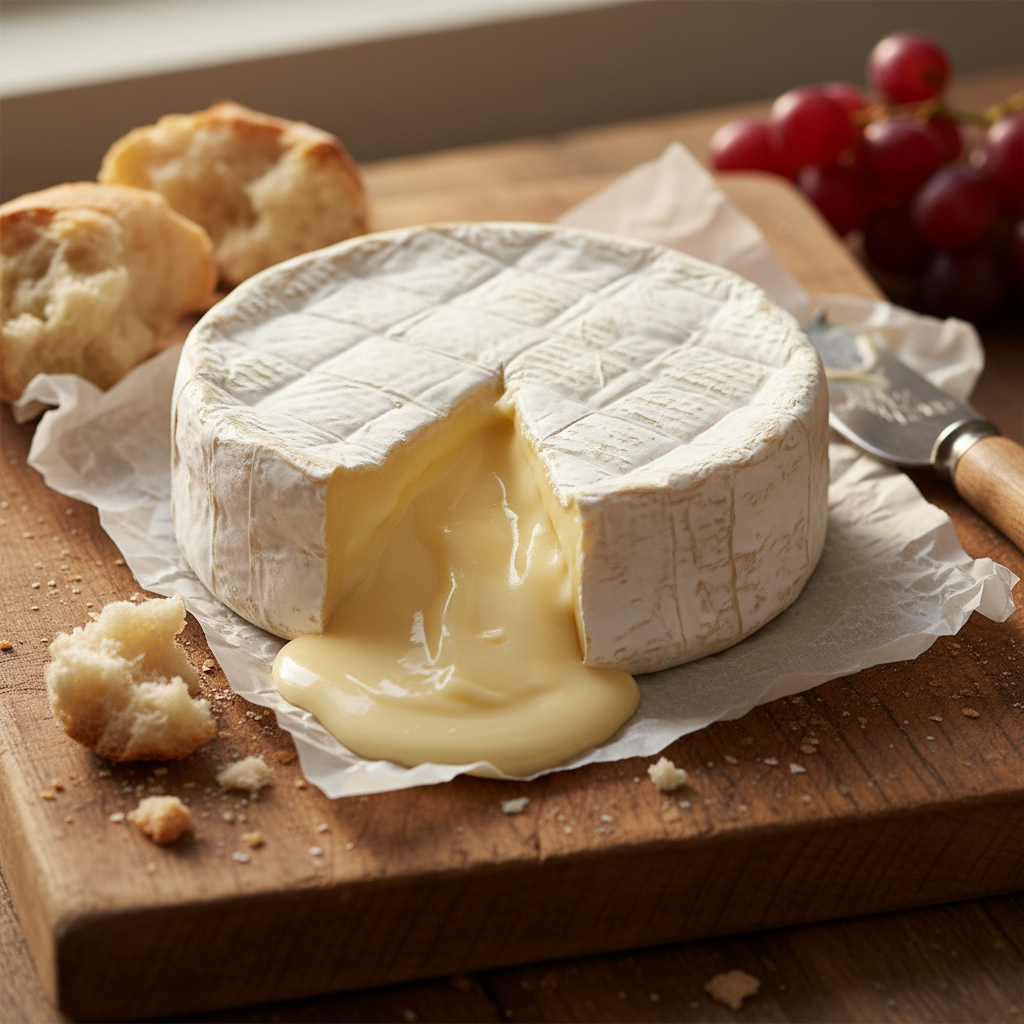
A young Bassine Queen, straight from the mould, has a chalky centre and a firm paste. A properly ripe one — and this is the point — has no chalk left. It’s oozy right through, golden-cream under the white rind, soft enough to slump slightly when you cut it. The smell shifts too: from clean and milky to something earthier, with that unmistakable mushroom note that tells you it’s ready.
Tone knows when it’s ready the same way a baker knows bread — by pressing, smelling, and looking. The texture of a ripe brie, he’ll tell you, feels like the soft flesh between your thumb and forefinger. You either know it or you learn it.
Two weeks from the vat
That’s how long a Bassine Queen takes. Fourteen days — sometimes a little more, depending on the season, the milk, and the conditions in the ripening room.
It doesn’t scale. You can’t rush the rind. You can’t skip the daily turning. You can’t make a hundred wheels with the same attention you give to twenty. Tone makes cheese three days a week by hand, and the brie gets exactly the same care as everything else, which means it gets a lot.
If you visit the farm, you can watch through the production window as the vat runs. Most people are surprised by how quiet it is. No conveyor belts, no automation. Just Tone, a ladle, and milk that was in the paddock the day before.
When to eat it
A Bassine Queen at two weeks is good. A Bassine Queen at the peak of ripeness — soft all the way through, the rind just starting to wrinkle at the edge — is something else.
Serve it at room temperature. Give it an hour out of the fridge before you cut it. Eat the rind. It’s part of the cheese.
If it’s running a little at the edges when you open the paper, that’s not a flaw. That’s the point.
Bassine Queen is available from the farm shop at Glen Forbes, and from selected stockists across Gippsland and the Mornington Peninsula. Come and see us — you might catch Tone in the middle of a make.
The way Penicillium candidum breaks down fats and proteins from the rind inward is described in the scientific literature on bloomy‑rind cheeses, for example role of Penicillium in soft cheeses.
Industry research on how pasture and season change milk composition explains the differences we see between winter and spring milk, summarized by seasonal variation in milk.