Stories from the farm
Cheese, milk, and the seasons — straight from the dairy at Glen Forbes.
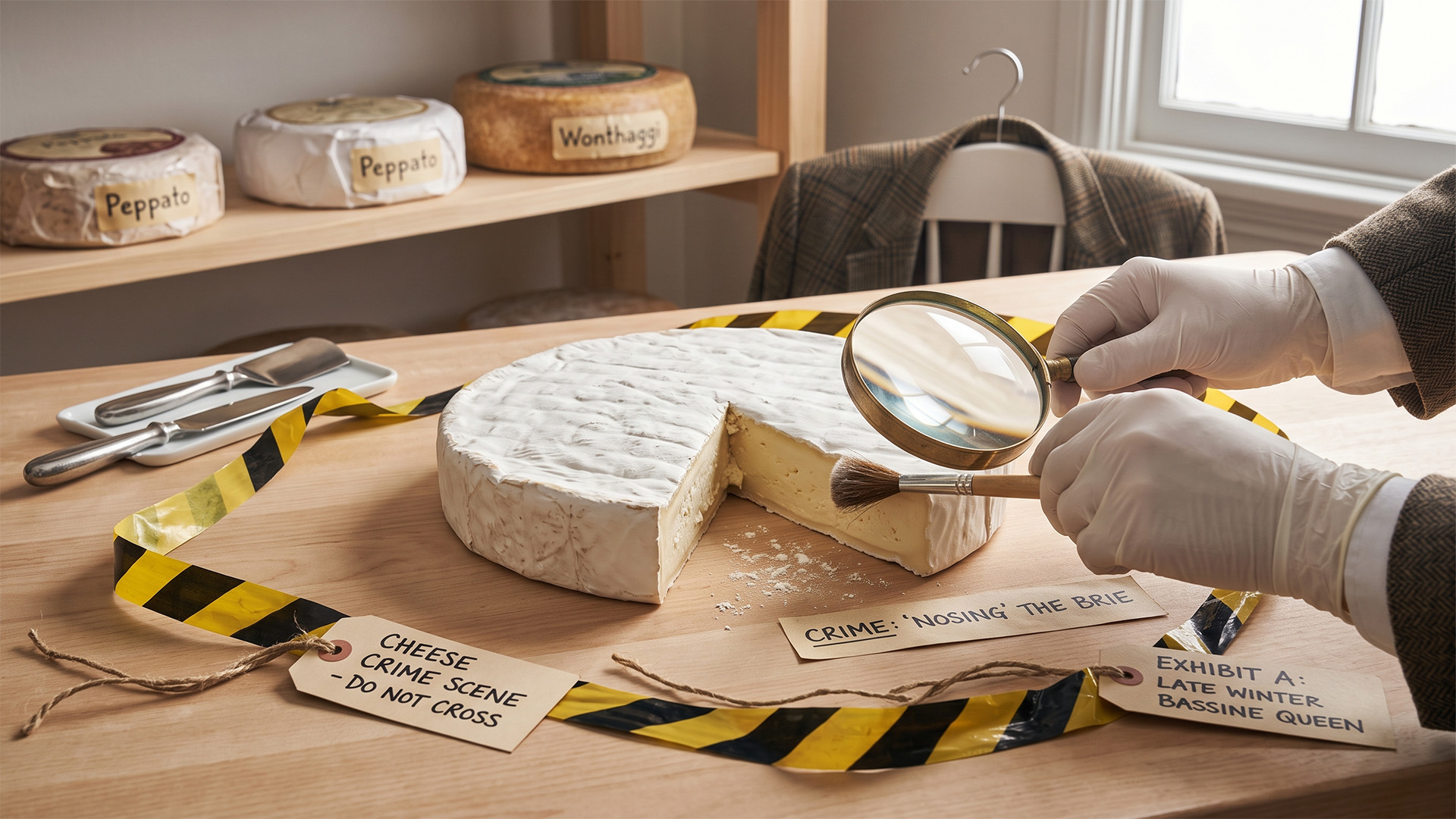
Cheese Crimes: Are You Committing a Dairy Felony?
Four years in France taught us the unwritten laws of cheese — usually by breaking them in company. Here's the rap sheet: the four most common crimes against artisan cheese, the science of why each one matters, and how to walk free (via the Bassine farm shop, naturally).
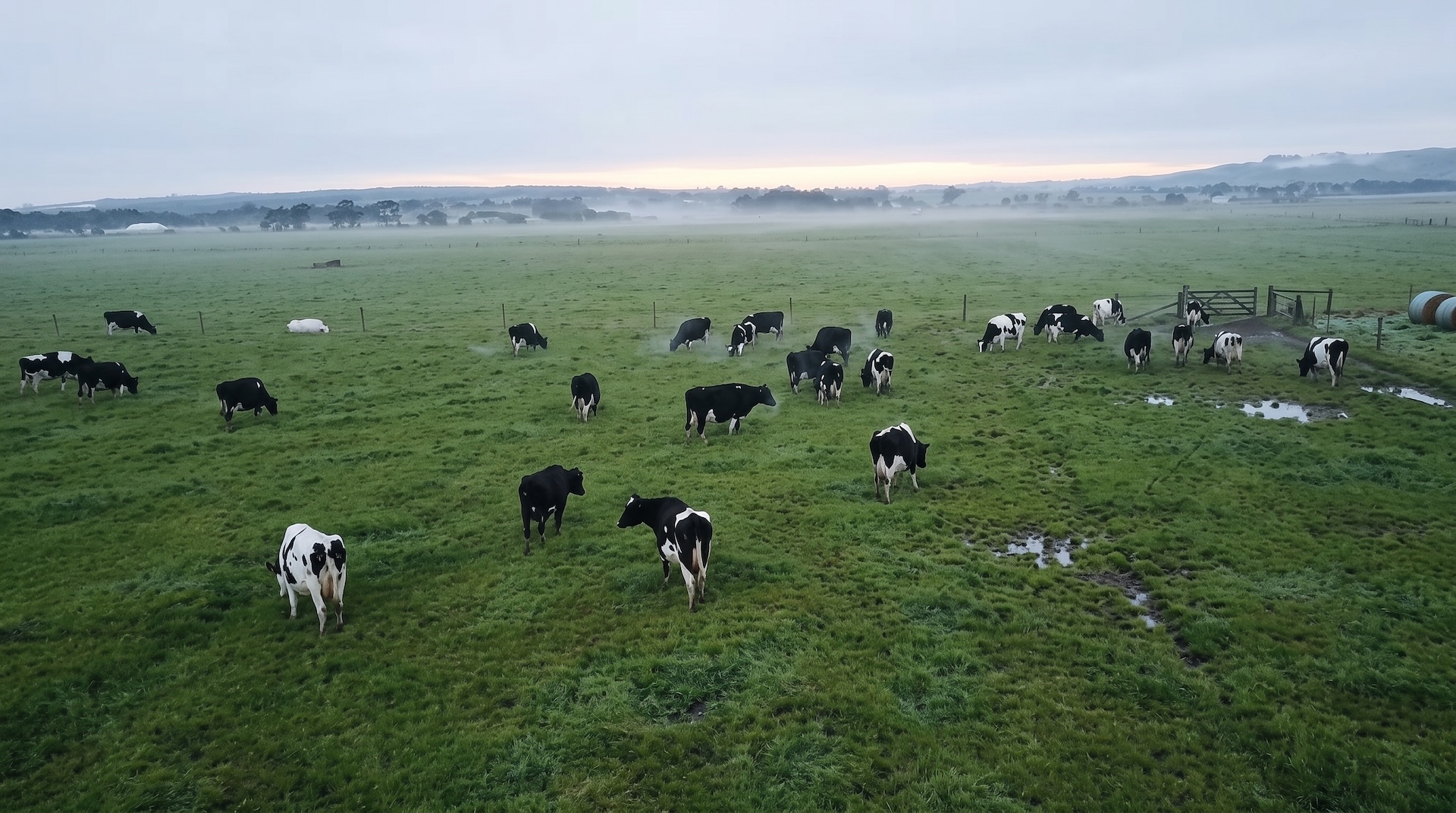
Winter milk: How Gippsland's richest milk shapes cheese
Winter milk at Bassine is the year's richest — higher in fat and protein, with firmer curds that change how Bass River Gold, Aged Cheddar and Bassine Queen age. This piece explains why Gippsland's cold months and stored forage lift milk composition, how that firmer curd alters make-room technique and maturation, and what we do on-farm to keep the herd in good order through winter.
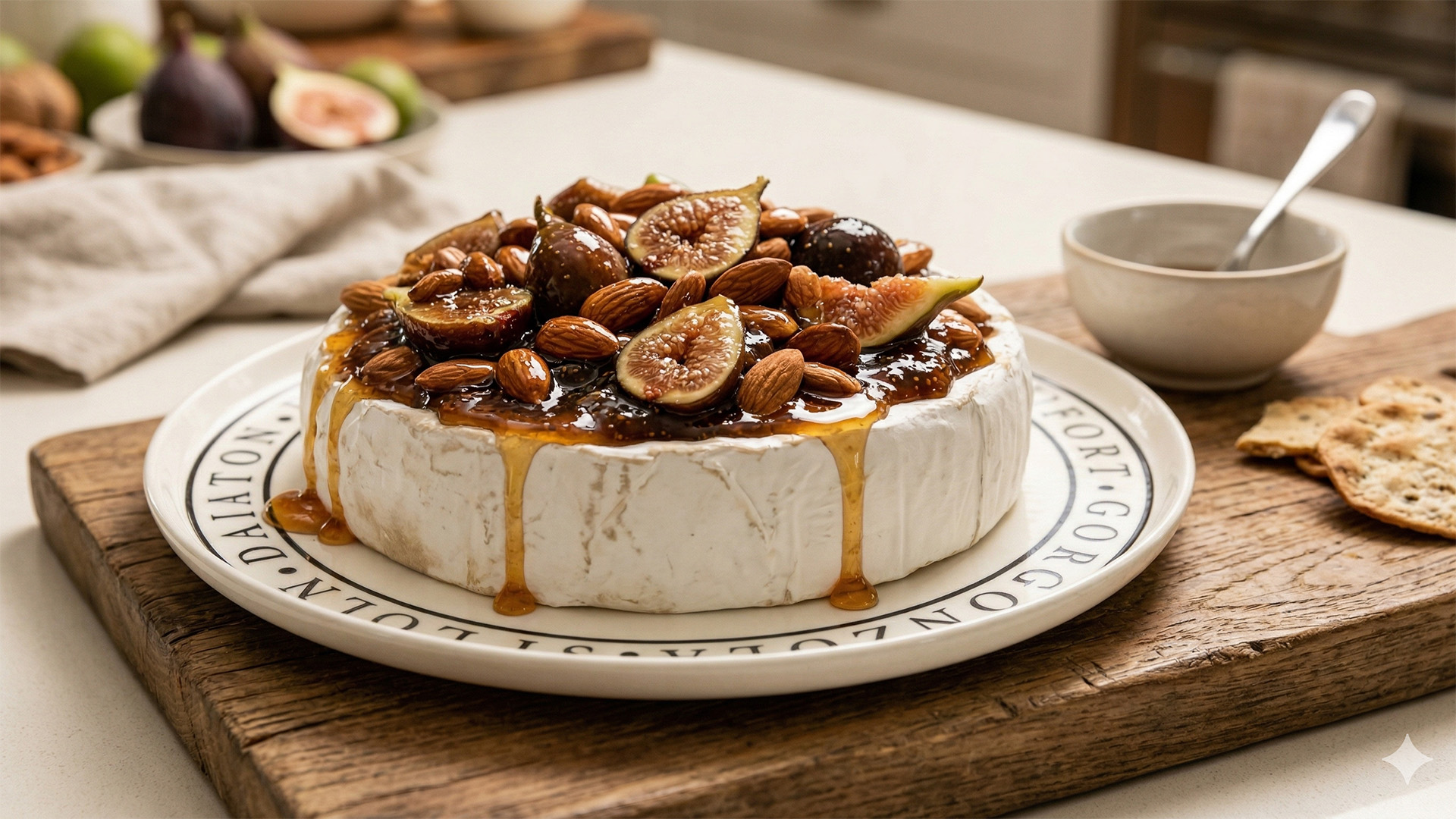
How Brie Is Made: Bassine Queen's 2-Week Production Method
Exactly how Bassine Queen becomes brie: from unstandardised Holstein Friesian milk and a ladle‑led curd to hand‑rubbing salt, a Penicillium candidum rind and a strict two‑week ripening rhythm — a hands‑on explanation from Tone and the Bassine team.
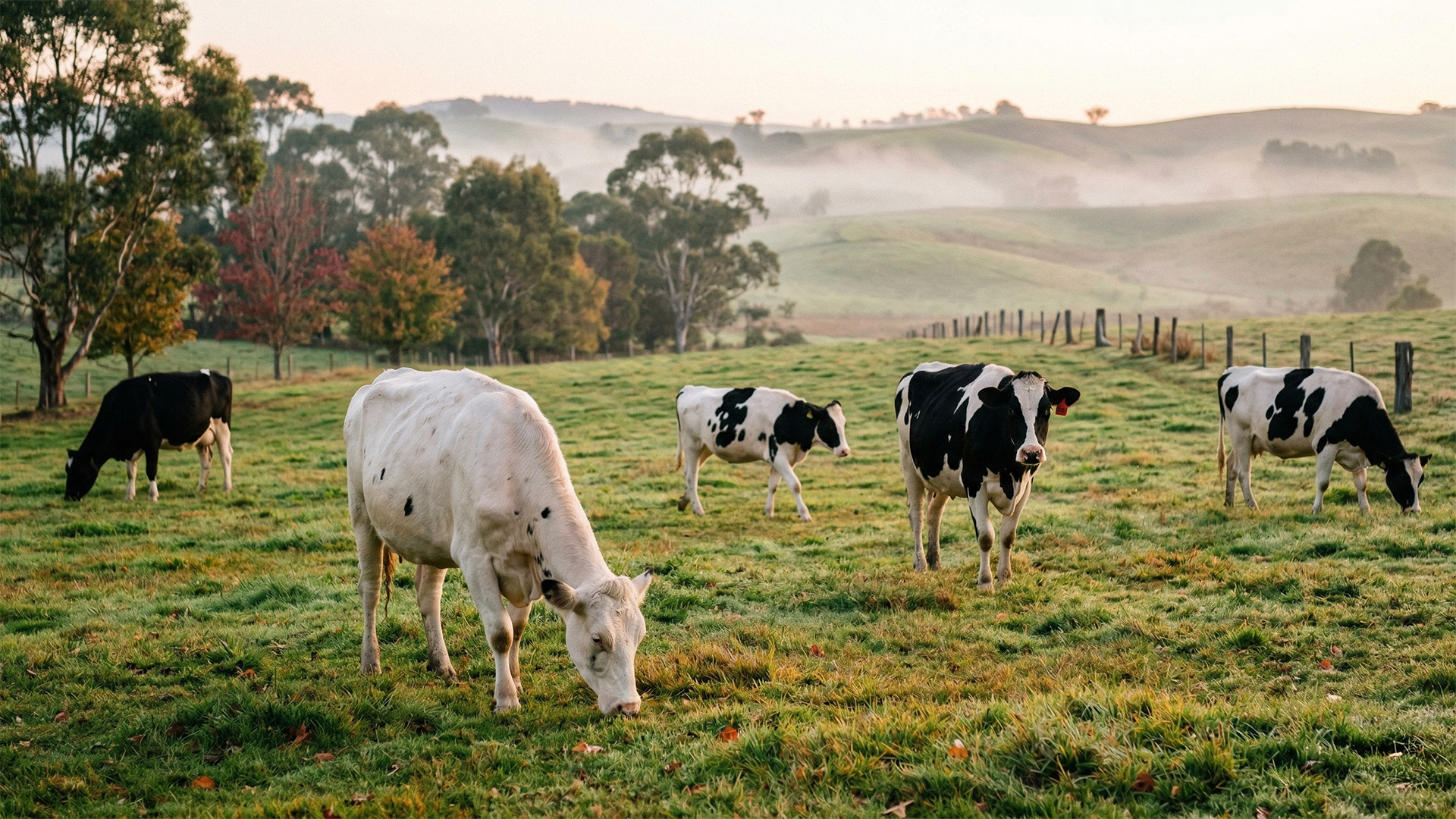
Autumn milk: How Bassine Farm makes richer cheese — inside
Cold, dew-dusted mornings and pasture that’s winding down change what our cows eat — and that makes autumn milk richer. Read a clear, practical explanation of how seasonal feed, calving timing and on-farm handling create the higher-fat, firmer-curd milk we use to make Bass River cheeses.
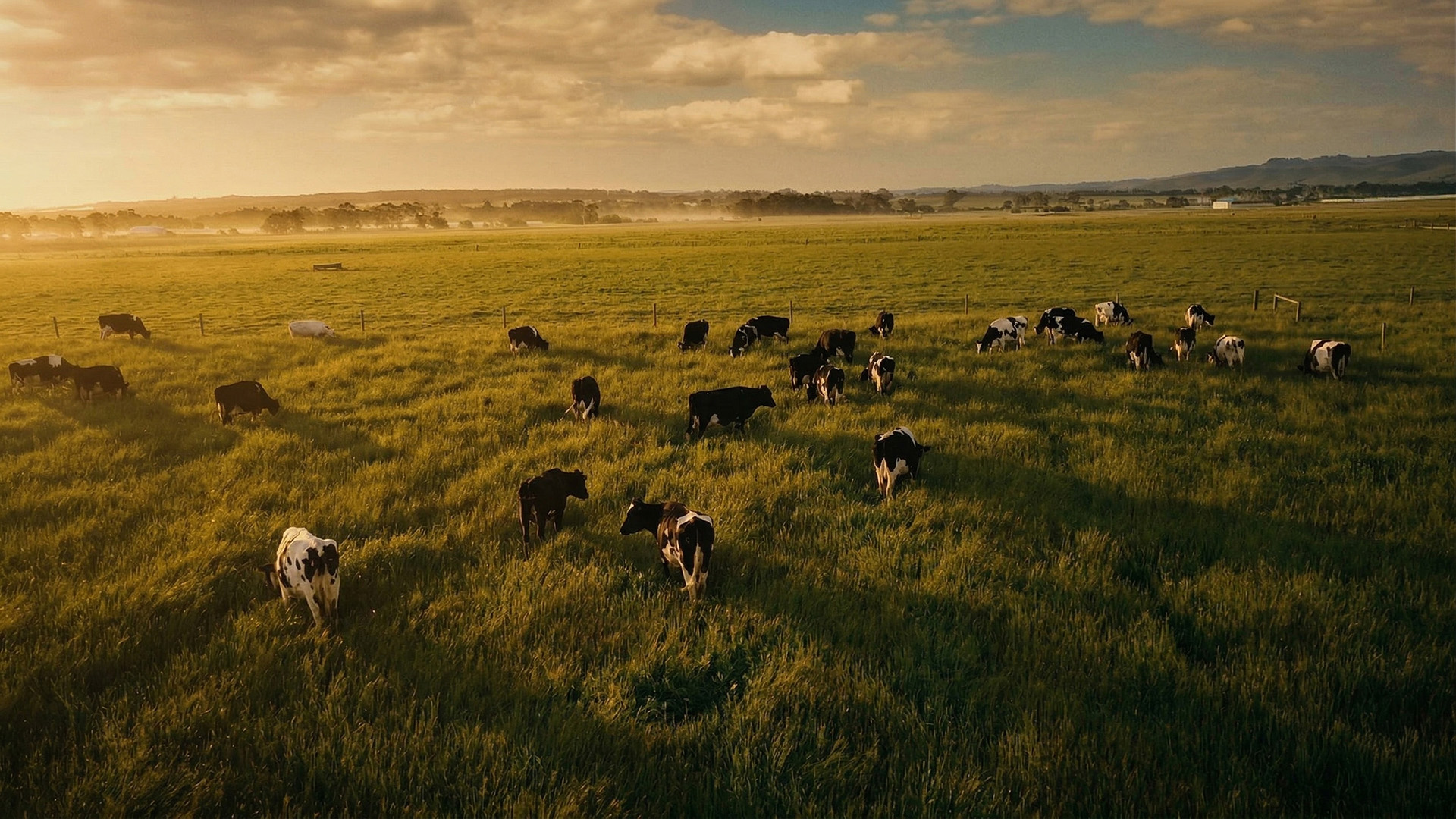
Single Herd Cheese: Why One Herd, One Milk Matters
Most commercial cheese is made from blended, homogenised milk bought by the tanker. At Bassine we use milk from one herd on one farm — unhomogenised and unadjusted — so seasonal pasture, fat and prote